
THERMAL INTERFACE PADS
Thermal Material Converting for OEM Components
Labelsun provides thermal material converting for graphite sheets, thermal interface pads, insulation films, thermal tapes, adhesive-backed layers, and laminated structures. Each route is planned around drawing geometry, material stack-up, die cutting, lamination, release-liner design, handling, prototyping, and dimensional verification before production support.
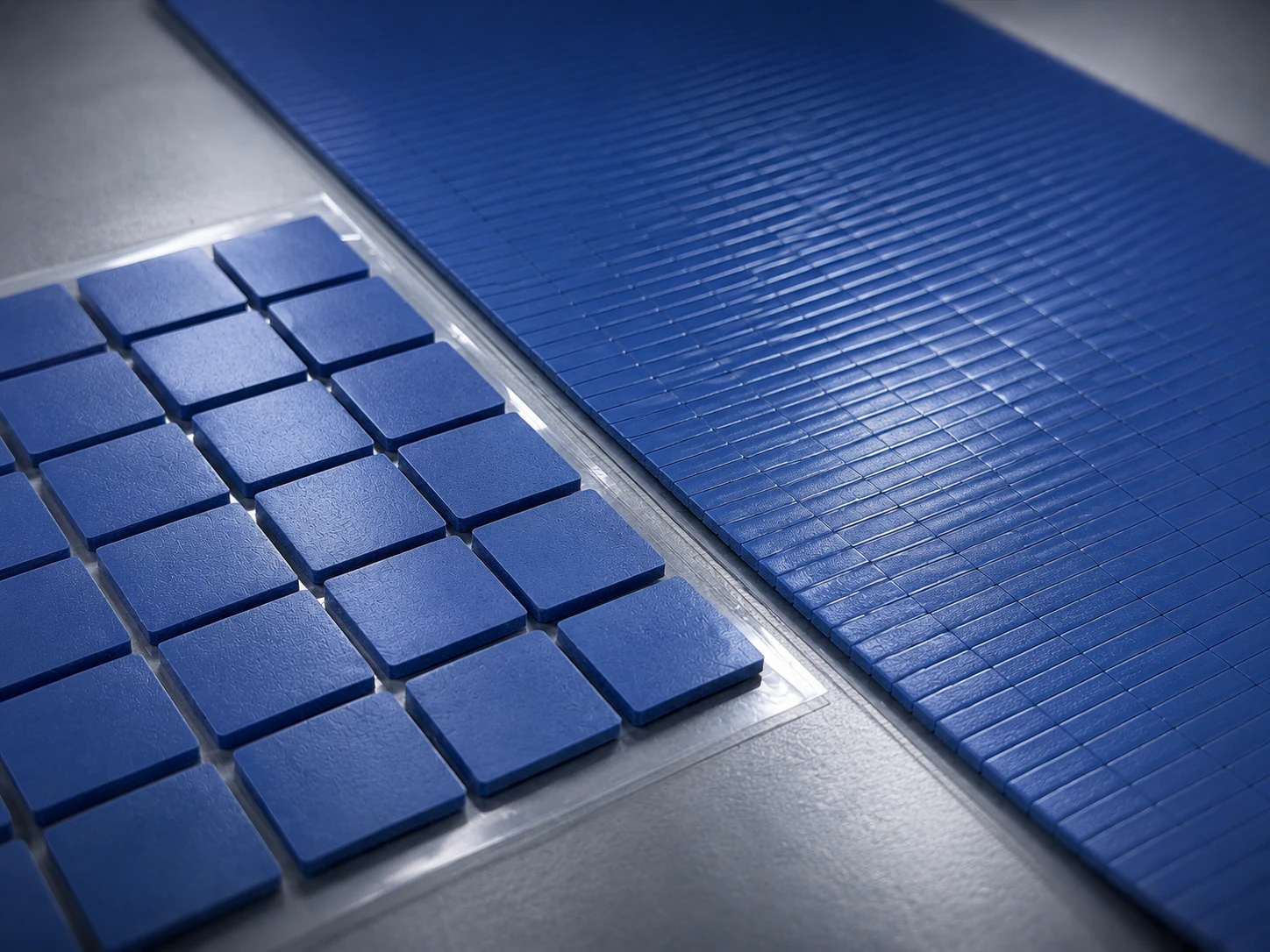
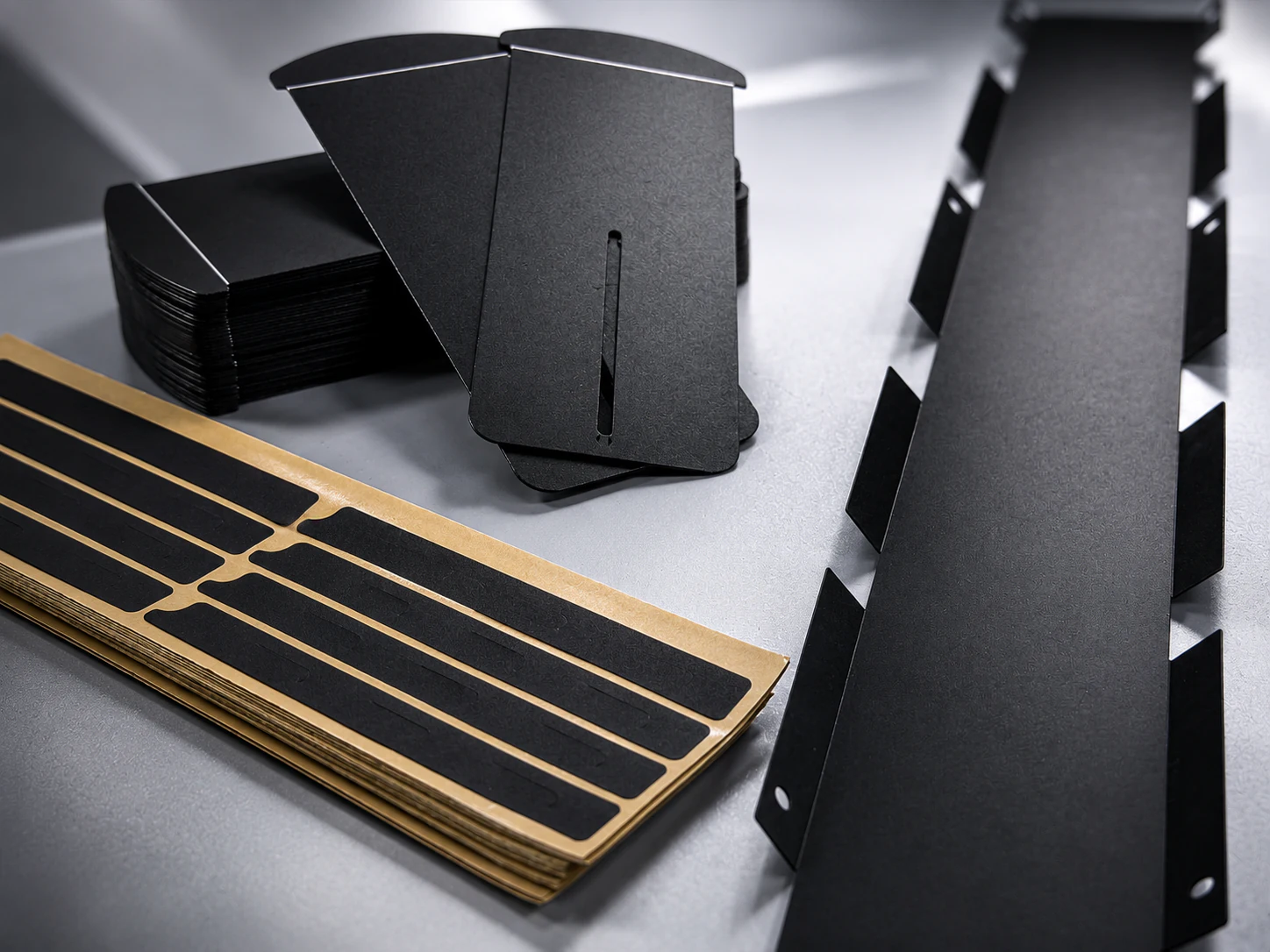
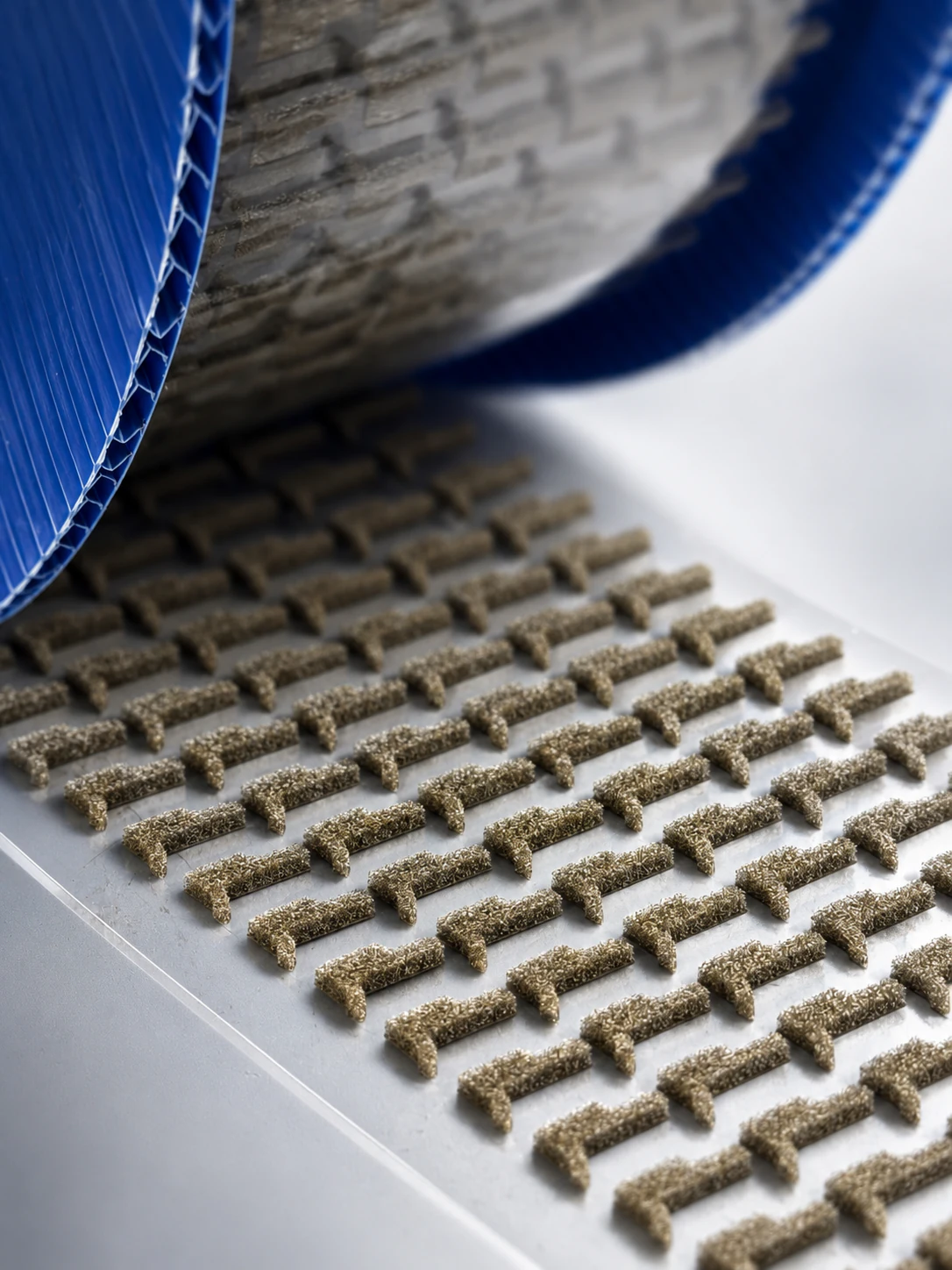
Thermal pads, insulation films, graphite sheet formats, and die-cut thermal components prepared for OEM assembly support.
MATERIAL + CONVERT
Thermal Interface Components
Graphite sheets, thermal pads, insulation films, and adhesive-backed layers aligned with lamination, die-cutting, and assembly handling requirements.
OEM SUPPORT
Prototype to Production
Drawing review, stack-up planning, liner design, and dimensional inspection support for repeat thermal part manufacturing.
Capability Overview
Why Thermal Material Converting Matters
Thermal materials can be fragile, layered, compressible, or difficult to release. Process planning affects fit, handling, assembly efficiency, dimensional stability, and how the final component behaves in OEM production.
Material Handling
Material Handling
Thermal materials can be fragile, compressible, layered, or difficult to release, so handling method affects fit and assembly behavior.
Process Planning
Process Planning
Lamination route, liner design, and die-cut sequence influence assembly efficiency, part stability, and repeatable presentation.
Stack-Up Control
Stack-Up Control
Thickness, compression, adhesive support, insulation, and layer alignment all need review before prototype and production release.
Dimensional Stability
Dimensional Stability
Functional thermal parts still need clean edges, consistent geometry, and controlled inspection for OEM assembly integration.
Solutions
Thermal Management Solutions
Graphite Sheet Converting
Die-cut graphite sheet components prepared for heat-spreading, insulation support, and compact thermal stack integration.
Thermal Pad Die-Cutting
Thermal pads converted to application-ready shapes with attention to thickness, compression, and release-liner handling.
Insulation Film Components
Converted insulation films for battery packs, electronics modules, and layered thermal assemblies requiring electrical isolation.
Adhesive-Backed Thermal Layers
Thermal constructions combined with adhesive support for stable placement, handling efficiency, and downstream assembly fit.
Multi-Layer Lamination
Thermal materials, liners, insulation layers, and adhesive-backed constructions laminated into controlled multi-layer formats.
Liner & Release Design
Liner split, tab layout, and release route reviewed to support clean removal, accurate placement, and repeatable operator handling.
Materials We Convert
Materials We Convert
Material selection must consider thickness, compression, adhesive support, insulation, application environment, and release behavior before the converting route is released for prototype or production use.
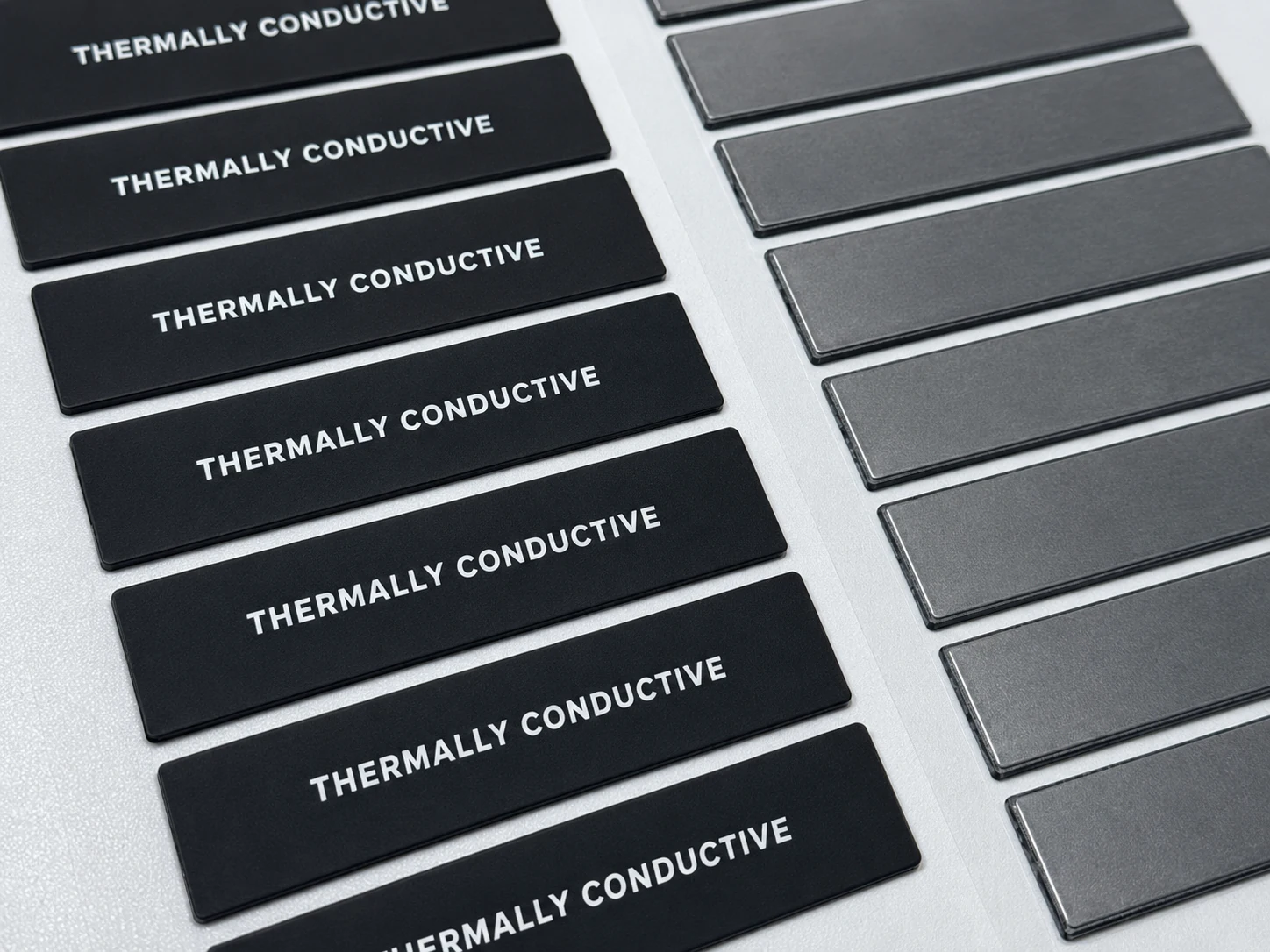
FUNCTIONAL MATERIAL EVIDENCE
Printed Thermal Spreader Label Assembly
Printed surface layers, copper or aluminum foil heat-spreading layers, graphite edge wraps, and adhesive constructions can be laminated and die-cut into thin thermal labels for memory modules and compact electronic assemblies. Material stack-up, insulation requirements, edge coverage, print durability, and finished geometry are reviewed according to the application.
Typical Applications
Typical Applications
APP 01
Battery insulation parts
APP 02
Power module thermal pads
APP 03
Display heat-spreading films
APP 04
Graphite thermal components
APP 05
Adhesive-backed thermal pads
APP 06
Electronics insulation layers
APP 07
Die-cut thermal interface pad components
APP 08
Custom die-cut thermal parts
Process & Quality Control
Process & Quality Control
STEP 01
Drawing & Stack-Up Review
Part geometry, layer order, and thermal path requirements are reviewed before material preparation and cutting setup.
STEP 02
Material Thickness / Compression Review
Graphite sheets, thermal pads, insulation films, and adhesive-backed layers are checked for thickness, compression, and handling behavior.
STEP 03
Lamination & Cutting Setup
Lamination route, liner presentation, and die-cutting sequence are prepared according to release behavior and assembly method.
STEP 04
First Article Check
Initial parts are reviewed for edge quality, dimensional alignment, liner release, and application-readiness before batch release.
STEP 05
Batch Production & Release
Production runs proceed with inspection checks, documented review points, and controlled release records for OEM manufacturing support.
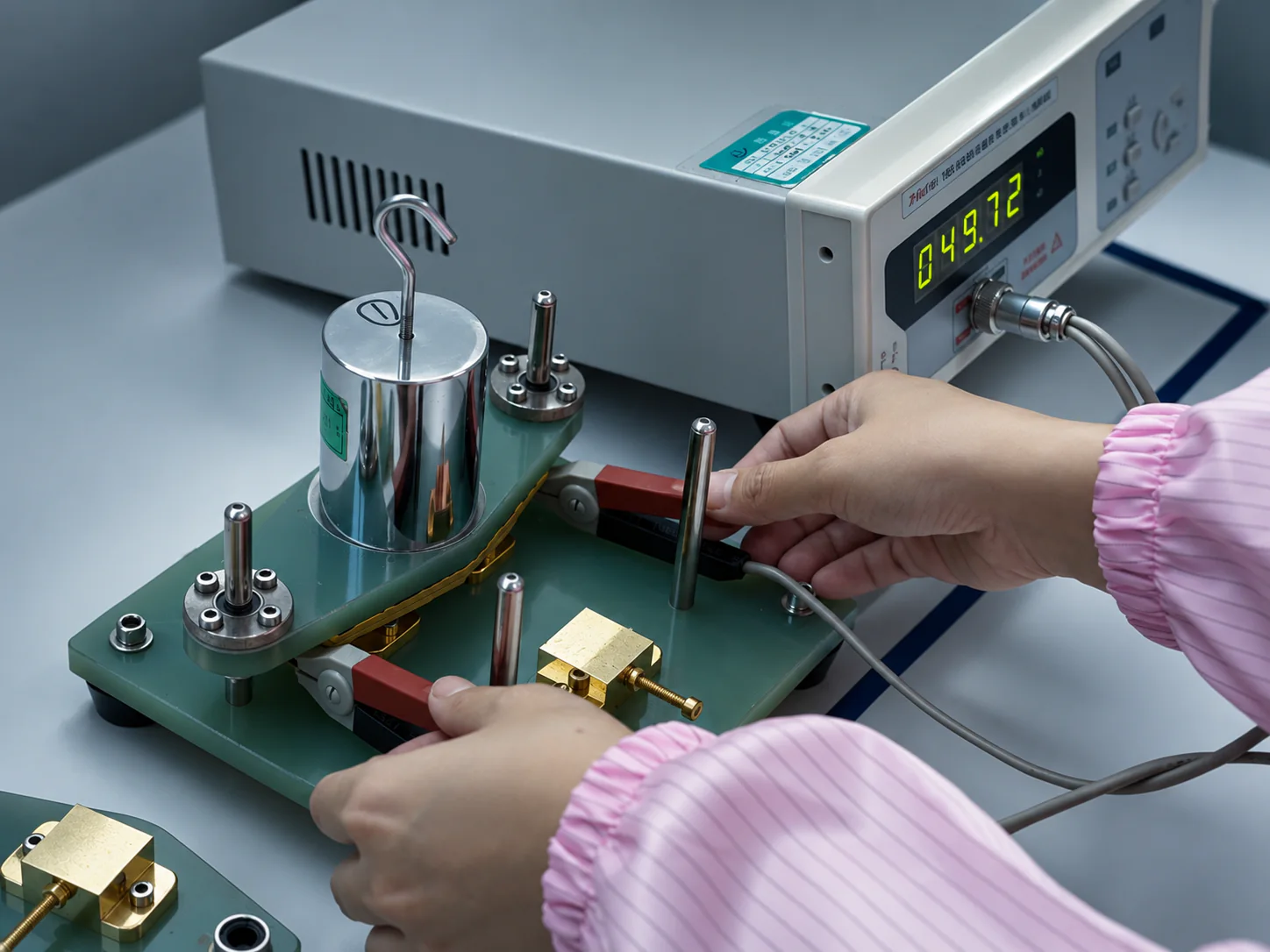
QUALITY CHECKPOINTS
Inspection Focus for Thermal Components
Thermal material converting is reviewed through thickness, release, edge quality, and dimensional checkpoints aligned with controlled OEM production release.
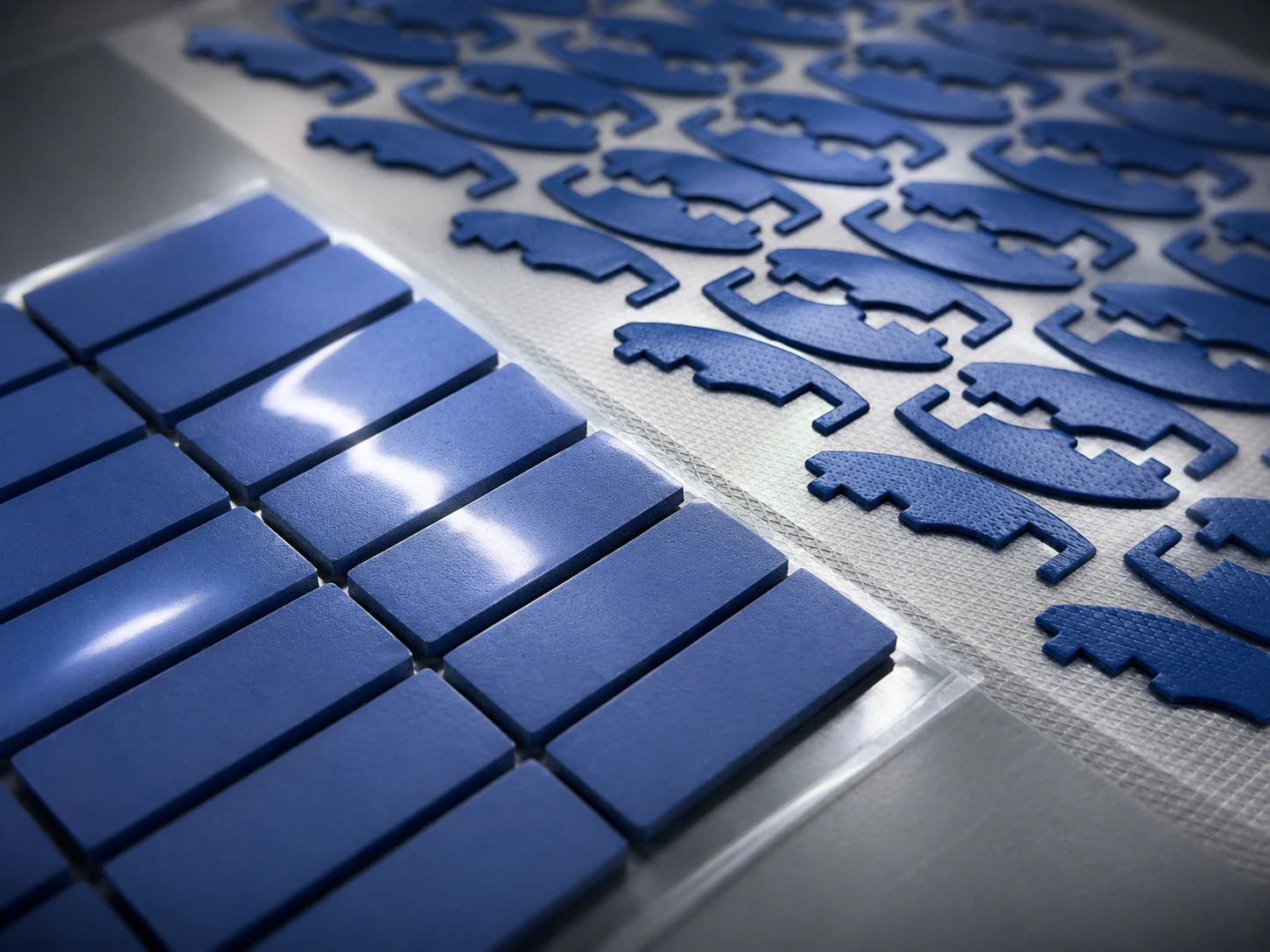
Request Support
Need Support for a Thermal Material Converting Project?
Share drawings, material requirements, or assembly conditions for engineering review covering thermal material fit, lamination, die-cutting, and prototype-to-production support.