FAMILY 01
Thermal & Insulation Components
Converted thermal, barrier, insulation, and adhesive-backed formats supporting power modules, charging equipment, and energy storage electronics.

POWER & ENERGY ELECTRONICS
Labelsun supports power modules, power supplies and converters, charging equipment, battery and energy-storage assemblies, and related control units with converted thermal, insulation, EMI shielding, adhesive, warning, and identification components. Each project is reviewed around component geometry, electrical-isolation needs, heat-path requirements, bonding surfaces, and installation conditions.
Thermal · Insulation · EMI Shielding · Warning & Identification
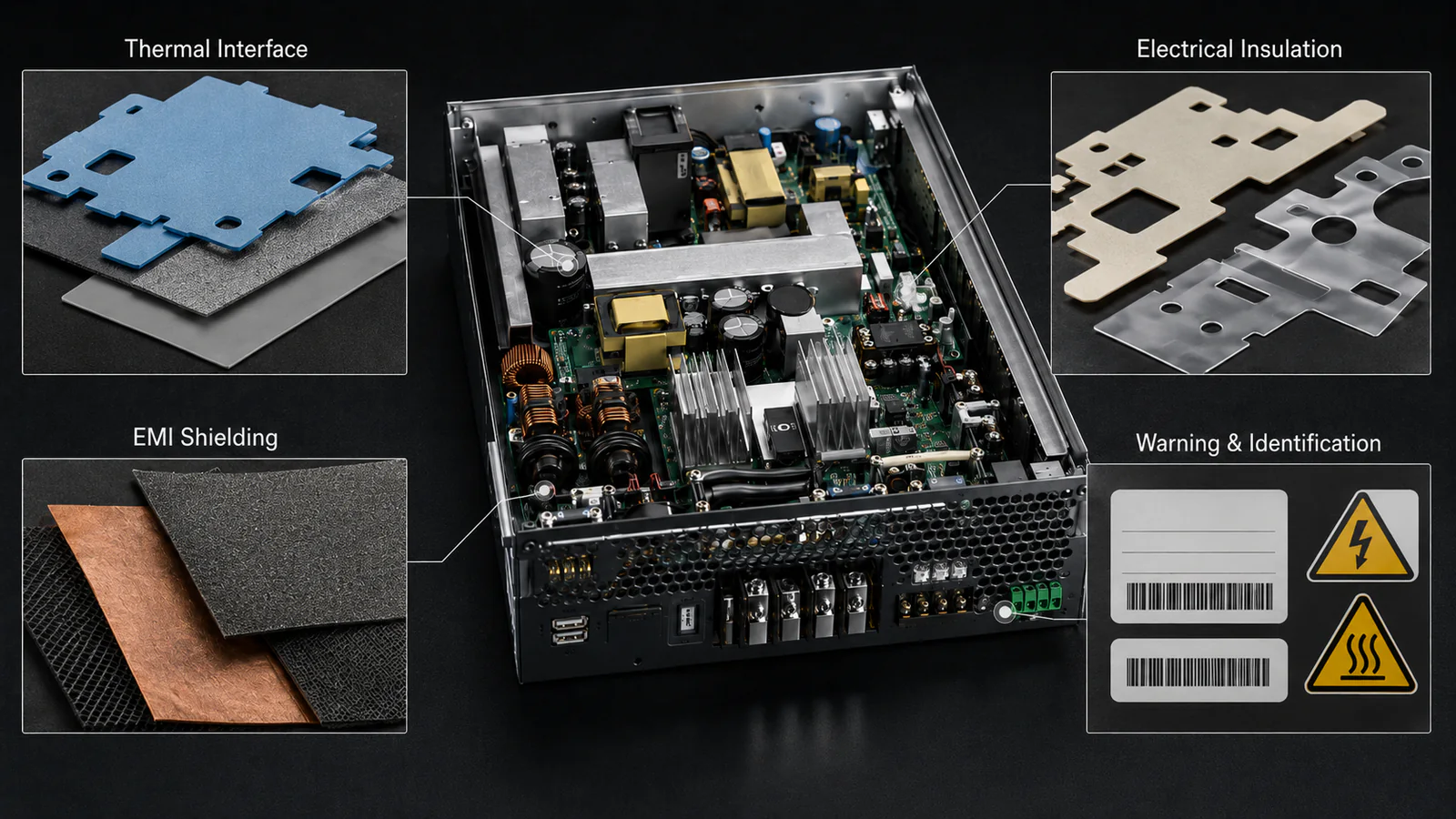
INSIDE POWER & ENERGY ELECTRONICS
Converted components support heat control, electrical separation, shielding, protection, product marking, and assembly preparation across increasingly compact power-electronics structures.
SYS 01
Thermal interface pads, insulation films, barrier layers, cushioning structures, and adhesive-backed parts support heat control, spacing, and electrical separation across power assemblies.
SYS 02
Conductive foam, conductive fabric, copper foil constructions, grounding contacts, and protective converted formats support enclosure and module interfaces.
SYS 03
Warning labels, rating labels, printed identification, instruction interfaces, and adhesive support components align marking and assembly needs with the converted structure.
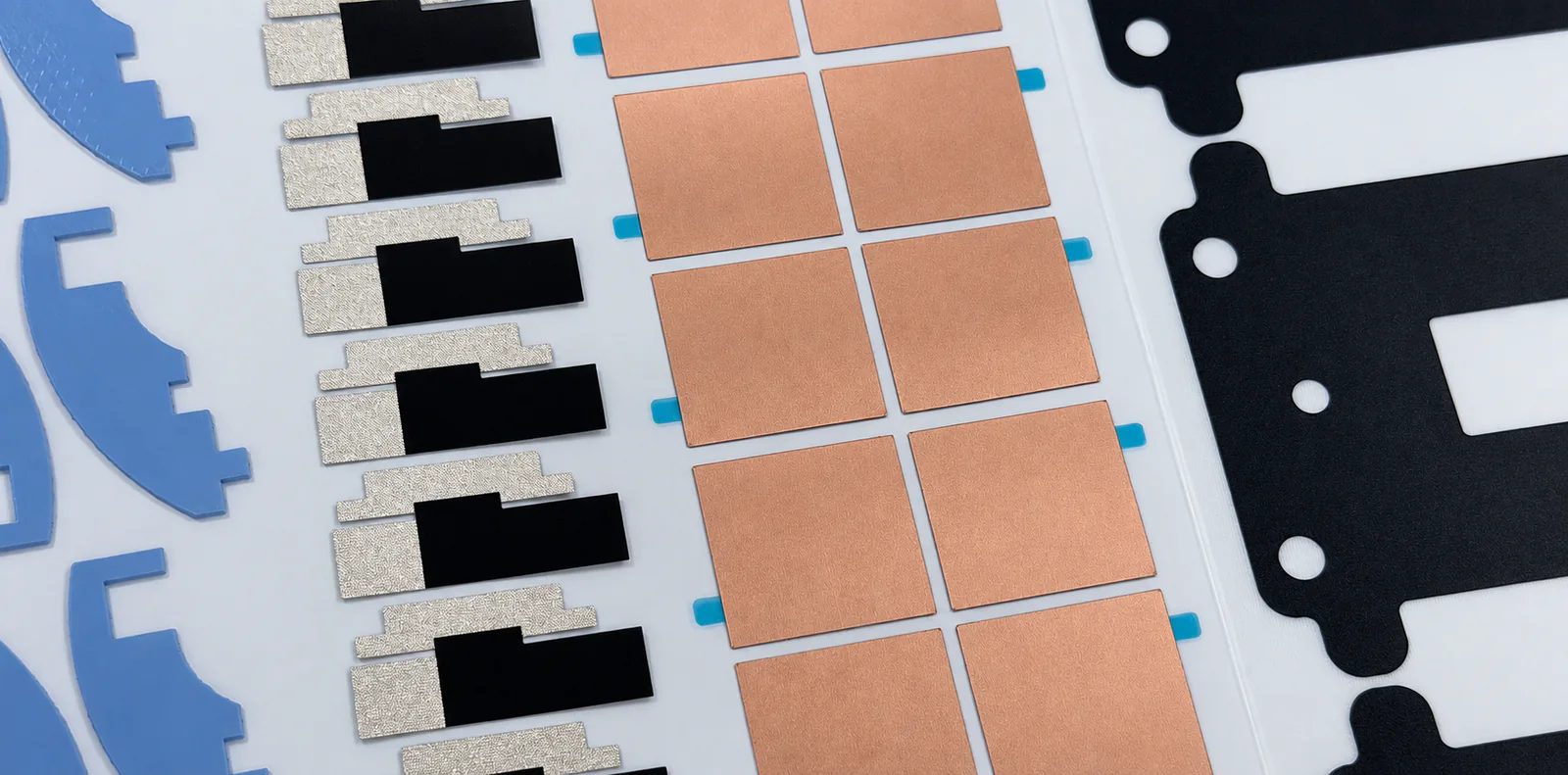
Converted thermal, insulation, shielding, adhesive and identification components for power electronics assemblies.
CONVERTING LOGIC
Power and energy electronics components often combine films, foams, adhesives, insulation, thermal layers, shielding constructions, liners, and printed surfaces. Labelsun reviews the stack-up and selects a practical converting route around material behavior and assembly requirements.
Films, foams, adhesives, insulation, thermal layers, and shielding constructions are reviewed around geometry, thickness, handling, and assembly conditions.
Adhesive-backed layers, liners, barriers, and protective materials are organized into a practical construction for handling and assembly.
Die-cutting, kiss-cutting, liner planning, and feature alignment translate the approved stack-up into application-ready component formats.
Dimensional review, material-condition checks, and release preparation confirm the converted structure before prototype validation or production handoff.
ENGINEERING PROGRAM SUPPORT
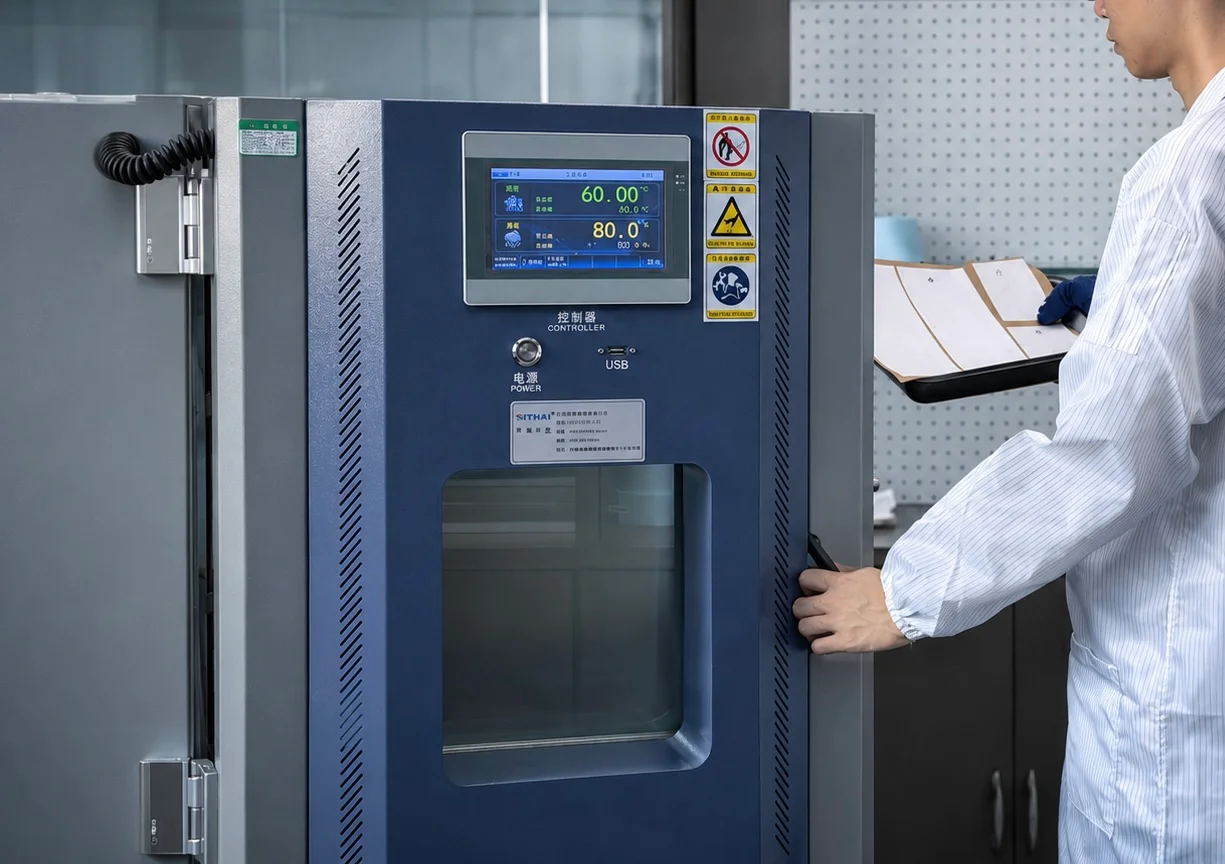
Drawing review, material selection, environmental conditioning, sample verification, and production preparation are connected through one practical development route.
STEP 01
Review component location, geometry, assembly conditions, and functional expectations across the power-electronics build.
STEP 02
Evaluate thermal, insulation, shielding, foam, adhesive, liner, protective, and printed layers as one converted construction.
STEP 03
Review sample condition, dimensional fit, material behavior, release handling, and assembly interaction before production preparation.
STEP 04
Confirm the approved structure, inspection focus, documentation, and production preparation requirements.
SELECTED COMPONENT FAMILIES
Power and energy electronics programs often combine converted thermal, insulation, shielding, grounding, adhesive, protective, and printed structures within one equipment platform.
FAMILY 01
Converted thermal, barrier, insulation, and adhesive-backed formats supporting power modules, charging equipment, and energy storage electronics.
FAMILY 02
Shielding, grounding, conductive, foam, and protective converted structures for enclosure contacts and internal power assemblies.
FAMILY 03
Warning, identification, rating, and interface components supporting product marking, service information, and equipment interaction.
START A PROGRAM REVIEW
Share drawings, material stack-up requirements, assembly conditions, or sample needs for engineering review.